
Abstract
This paper summarizes current evidence comparing oral and intravenous (IV) nutrient bioavailability, focusing on the Myers and Advanced Myers protocols used in integrative and regenerative medicine. Data from NIH, CDC, and peer-reviewed pharmacokinetic studies show that average oral absorption of essential micronutrients is approximately 36%, while IV administration achieves 100% systemic bioavailability. Liposomal or phospholipid formulations improve oral absorption to 60–90% for certain nutrients, yet IV therapy remains unmatched in achieving pharmacological plasma concentrations. These findings have significant clinical implications for patients with malabsorption, chronic inflammation, oxidative stress, or high metabolic demand.
Introduction
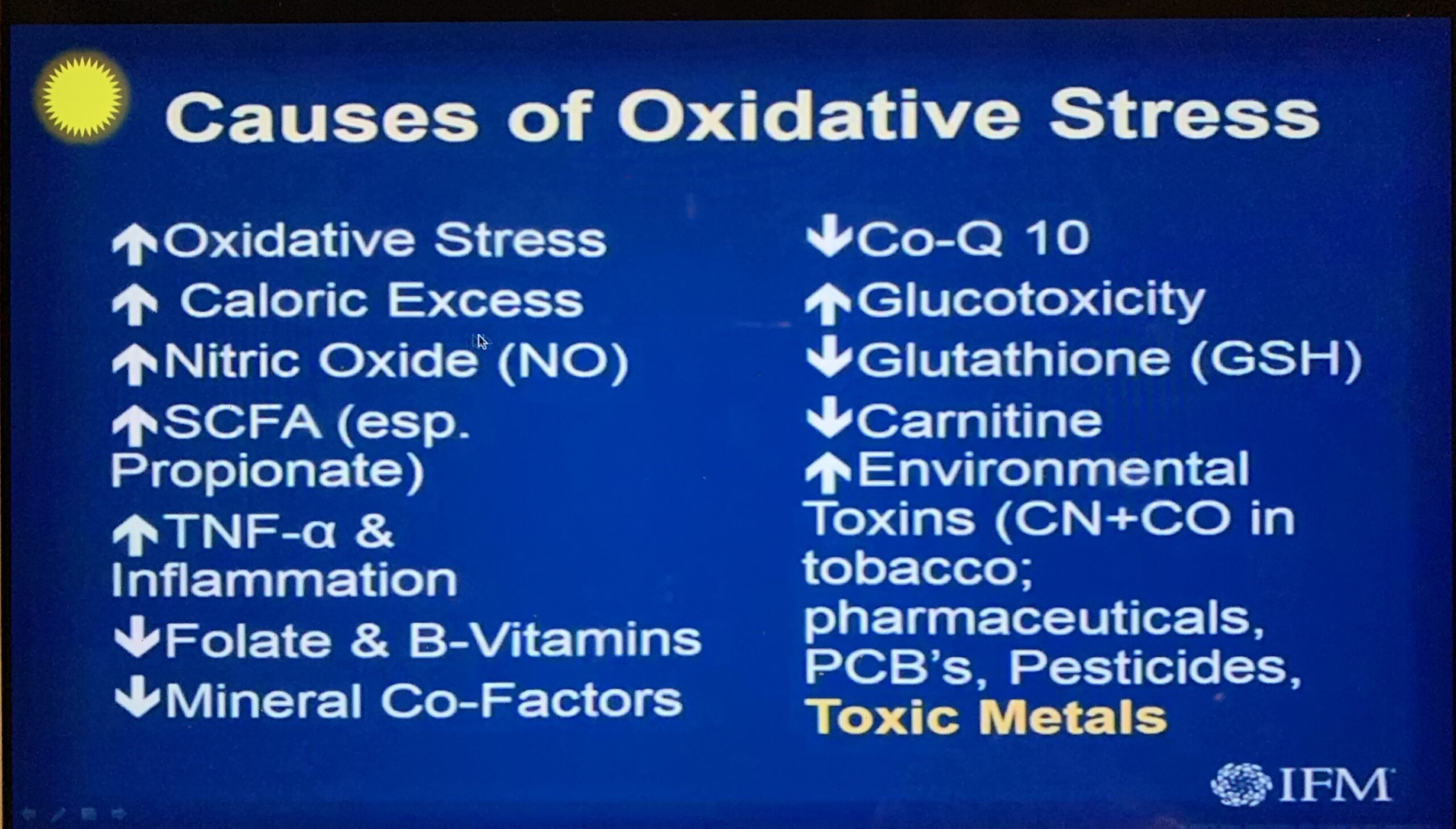
Micronutrient deficiencies are widespread in the U.S. population, particularly involving vitamin C, magnesium, and B-complex vitamins (NHANES, CDC). These deficiencies compromise immune function, mitochondrial efficiency, and cellular resilience.
Although oral supplementation is common, its effectiveness is often limited by gastrointestinal absorption barriers, nutrient competition, and individual digestive capacity.
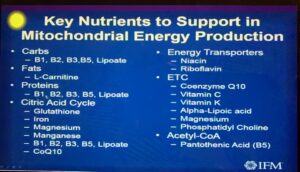
By contrast, IV administration bypasses intestinal transport, delivering nutrients directly into circulation and enabling full cellular bioavailability. The Myers and Advanced Myers protocols—comprising vitamin C (sodium ascorbate), B-complex vitamins, magnesium, alpha-lipoic acid (ALA), glutathione (GSH), and NAD⁺—provide targeted redox and mitochondrial restoration through nutripharmacological means.
Comparative Bioavailability
Table 1. Oral vs Intravenous Absorption
| Nutrient | Oral Absorption (%) | IV Absorption (%) |
| Vitamin C | 15–35 | 100 |
| Magnesium | 20–40 | 100 |
| Vitamin B6/B12 | 10–60 | 100 |
| Alpha-Lipoic Acid (ALA) | 20–30 | 100 |
| Glutathione | 10–20 | 100 |
| Amino acids | 50–80 | 100 |
On average, oral absorption yields only one-third of systemic delivery compared to IV infusion. The gap arises from intestinal transport saturation, first-pass hepatic metabolism, and variable gut permeability.
IV therapy ensures complete bioavailability and immediate plasma saturation, leading to faster symptom relief, redox balance, and metabolic recovery.
Pharmacokinetic Insights
For example, vitamin C oral absorption plateaus at doses above 200–400 mg due to transporter saturation, while IV infusion can safely deliver 10–20 g into plasma.
Vitamin B12 absorption relies on intrinsic factor and is often impaired in older adults and patients on proton-pump inhibitors or metformin.
Magnesium, ALA, and glutathione also show poor oral uptake due to solubility and degradation factors.
IV administration bypasses these limitations, delivering nutrients at pharmacological levels to optimize ATP production, antioxidant defenses, and detoxification pathways.
Phospholipid and Liposomal Nutrient Delivery Systems
Recently, phospholipid-based (liposomal) formulations have expanded the potential of oral supplementation. These delivery systems encapsulate micronutrients in phosphatidylcholine vesicles, protecting them from gastric degradation and enhancing intestinal absorption.
They facilitate lymphatic transport, avoiding hepatic first-pass metabolism and significantly improving systemic uptake—particularly for nutrients with poor water solubility or oxidative instability.
Table 2. Oral, Liposomal, and IV Absorption Comparison
| Nutrient | Standard Oral (%) | Liposomal/Phospholipid (%) | IV (%) | Key Insights |
| Vitamin C | 15–35 | 70–90 | 100 | Liposomal C reaches near-IV plasma levels (Davis et al., Nutrients, 2016). |
| Glutathione (GSH) | 10–20 | 60–90 | 100 | Liposomal GSH resists degradation and boosts RBC GSH. |
| Alpha-Lipoic Acid (ALA) | 20–30 | 60–80 | 100 | Phospholipid-bound ALA enhances bioavailability. |
| Vitamin B12 (Methylcobalamin) | 1–2 | 30–60 | 100 | Liposomal or sublingual forms bypass intrinsic factor. |
| Coenzyme Q10 | 5–10 | 60–80 | 100 | Liposomal or nanoemulsion forms improve uptake. |
| Magnesium, Zinc, Selenium | 20–45 | 40–60 | 100 | Absorption improves modestly with lipid carriers. |
Liposomal formulations can raise oral absorption from 20–30% up to 70–90% for key fat-soluble or redox-active nutrients. However, even these improved oral forms cannot replicate the pharmacological plasma concentrations achieved via IV therapy, which remains the gold standard in clinical redox and mitochondrial restoration.
Clinical Implications
Intravenous administration ensures 100% absorption and rapid systemic distribution. Even though advanced oral and liposomal formulations can significantly enhance uptake, they do not reach therapeutic plasma levels comparable to IV therapy.
This distinction is akin to “mixing water and oil”: the same nutrient behaves differently depending on its route and bioavailability.
Such procedures must be performed under medical and nursing supervision, with attention to osmolarity, infusion rate, and patient tolerance. When applied appropriately, IV therapy can improve energy, detoxification, cognitive clarity, and immune resilience within 24–48 hours.
Key Takeaways
- Oral micronutrient absorption averages ~36%; IV therapy achieves 100% bioavailability.
- Phospholipid/liposomal formulations increase oral absorption up to 70–90% for vitamin C, glutathione, and ALA.
- IV therapy remains the most effective route for achieving pharmacologic plasma levels required in oxidative stress, chronic fatigue, and inflammation.
- Liposomal oral therapy is valuable for maintenance and between IV sessions.
- Both modalities require professional medical oversight to ensure dosing safety and clinical efficacy.
Conclusion
IV micronutrient therapy bridges clinical nutrition and pharmacology, providing rapid and complete nutrient repletion for patients with high metabolic demand or impaired absorption.
Liposomal delivery represents a valuable advancement for at-home and preventive use, complementing IV protocols rather than replacing them.
Together, these strategies form the foundation of modern nutripharmacology—integrating biochemical precision, mitochondrial restoration, and personalized medicine under professional care.
References (APA Style)
- Ames, B. N. (2006). Low micronutrient intake may accelerate the degenerative diseases of aging through allocation of scarce micronutrients by triage. PNAS, 103(47), 17589–17594.
- Levine, M. et al. (2001). Vitamin C pharmacokinetics in healthy volunteers. PNAS, 98(2), 984–989.
- DiNicolantonio, J. J., & O’Keefe, J. H. (2018). Subclinical magnesium deficiency: A principal driver of disease. Open Heart, 5(1), e000668.
- Richie, J. P. et al. (2015). Oral glutathione supplementation and body stores. European Journal of Nutrition, 54(2), 251–263.
- Shay, K. P. et al. (2009). Alpha-lipoic acid as a dietary supplement: Molecular mechanisms. Biochimica et Biophysica Acta, 1790(10), 1149–1160.
- Davis, J. M. et al. (2016). Liposomal-encapsulated ascorbic acid: Factors affecting bioavailability and pharmacokinetics. Nutrients, 8(9), 593.
- Pokimica, B. et al. (2021). Liposomal encapsulation efficiency of nutraceuticals: From theory to application. Pharmaceutics, 13(2), 215.
- Zembron-Lacny, A. et al. (2019). The effect of oral and intravenous glutathione on oxidative stress markers. Nutrition, 62, 61–67.
- Gaby, A. R. (2002). Intravenous nutrient therapy (Myers’ cocktail): Historical and clinical perspective. Alternative Medicine Review, 7(5), 389–403.*
- Institute of Medicine. (2000). Dietary Reference Intakes for Vitamin B6, Vitamin B12, and Vitamin C. National Academies Press.
