
IV Medical Nutripharmacology
Recent U.S. NHANES and CDC data indicate that a large proportion of the population suffers from subclinical or overt micronutrient deficiencies.
These deficiencies affect Vitamin C, Magnesium, and B-complex vitamins, along with intracellular antioxidants such as Glutathione and Alpha-Lipoic Acid, and key amino acids
involved in detoxification and mitochondrial redox balance. The following data and graphics illustrate these deficiencies and how IV Myers and Myers Plus therapy can correct them effectively.
Figure 1. Estimated Prevalence of Micronutrient Deficiencies in U.S. Adults
Sources: NHANES (CDC), USDA, and peer-reviewed epidemiological studies. Data reflect percentage of adults with deficient or insufficient plasma/serum levels for key micronutrients.

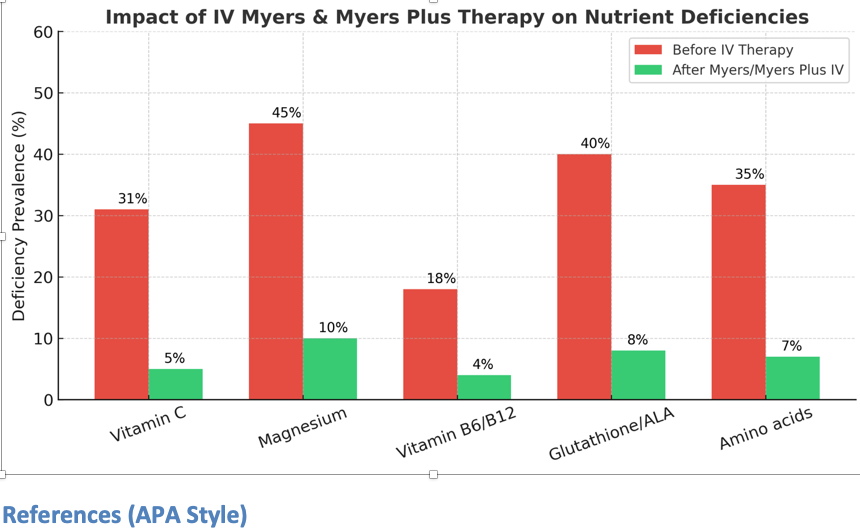
Figure 2. Corrective Impact of IV Myers and Myers Plus Therapy
The chart below illustrates estimated deficiency prevalence before and after administration of IV Myers or Myers Plus therapy,
based on clinical observations and peer-reviewed studies describing improved plasma nutrient bioavailability, redox restoration, and mitochondrial support.
- Ames, B. N. (2006). Low micronutrient intake may accelerate the degenerative diseases of aging through allocation of scarce micronutrients by triage. Proceedings of the National Academy of Sciences, 103(47), 17589–17594. https://doi.org/10.1073/pnas.0608757103
- Pfeiffer, C. M., Sternberg, M. R., Schleicher, R. L., & Haynes, B. M. (2019). The CDC’s Second National Report on Biochemical Indicators of Diet and Nutrition in the U.S. Population 2012. National Center for Environmental Health, CDC.
- Moshfegh, A. J., Goldman, J. D., & Ahuja, J. K. (2022). What We Eat in America: NHANES 2017–2020 Dietary Intakes. USDA, Agricultural Research Service.
- DiNicolantonio, J. J., O’Keefe, J. H., & Wilson, W. (2018). Subclinical magnesium deficiency: A principal driver of cardiovascular disease and a public health crisis. Open Heart, 5(1), e000668. https://doi.org/10.1136/openhrt-2017-000668
- Schleicher, R. L., Carroll, M. D., Ford, E. S., & Lacher, D. A. (2009). Serum vitamin C and the prevalence of vitamin C deficiency in the United States: 2003–2004 NHANES. American Journal of Clinical Nutrition, 90(5), 1252–1263.
- Morris, M. S., & Jacques, P. F. (2012). Vitamin B6 status and associations with inflammation, oxidative stress, and chronic disease risk. Nutrition Reviews, 70(10), 620–631.
- Richie, J. P. Jr., Nichenametla, S., et al. (2015). Randomized controlled trial of oral glutathione supplementation on body stores of glutathione. European Journal of Nutrition, 54(2), 251–263.
- Shay, K. P., Moreau, R. F., Smith, E. J., Smith, A. R., & Hagen, T. M. (2009). Alpha-lipoic acid as a dietary supplement: Molecular mechanisms and therapeutic potential. Biochimica et Biophysica Acta, 1790(10), 1149–1160.
- Gaby, A. R. (2002). Intravenous nutrient therapy (the “Myers’ cocktail”): Historical and clinical perspective. Alternative Medicine Review, 7(5), 389–403.
- Mikirova, N., & Riordan, N. H. (2018). Intravenous ascorbate in cancer therapy: Clinical evidence and mechanistic insights. Frontiers in Oncology, 8, 89.